
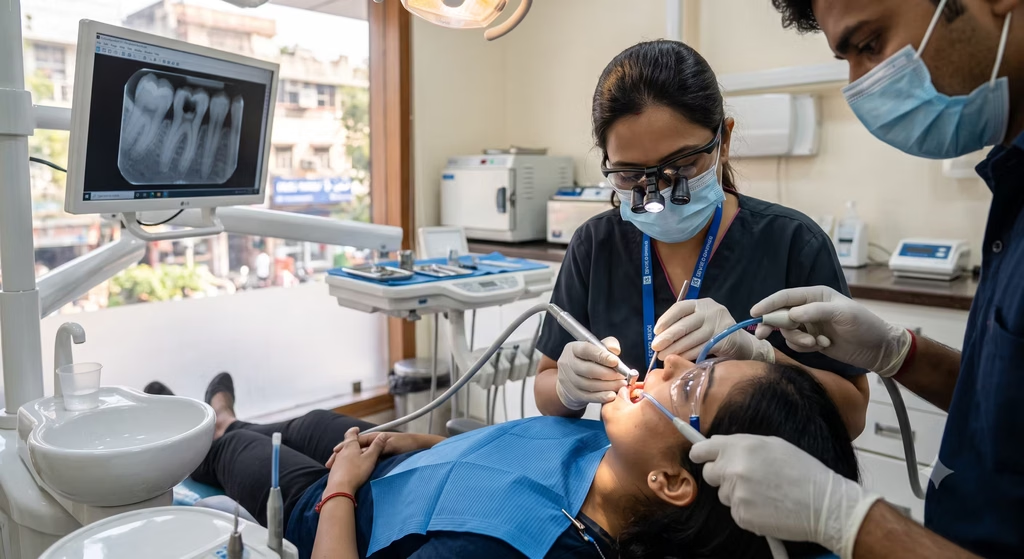
A cavity can start as a small spot on your tooth. Initially you might not feel anything ( We will discuss the reason in the next section). If you do not treat it the cavity can slowly grow deeper into the tooth. It may then cause pain or sensitivity. In some cases it can also cause an infection or even lead to tooth loss.
The good news is that cavities can often be prevented with proper dental care. They are also much easier to treat when found early.
If you are looking for cavity treatment in Delhi then it is helpful to know what causes cavities. You should also know their symptoms and treatment options. Knowing the possible cost can also help you decide when you should visit a dentist.
In this guide we will explain tooth cavities and tooth decay in simple words. We will also explain when a cavity can be treated with a simple filling and when you may need a root canal.
What Is a Dental Cavity?
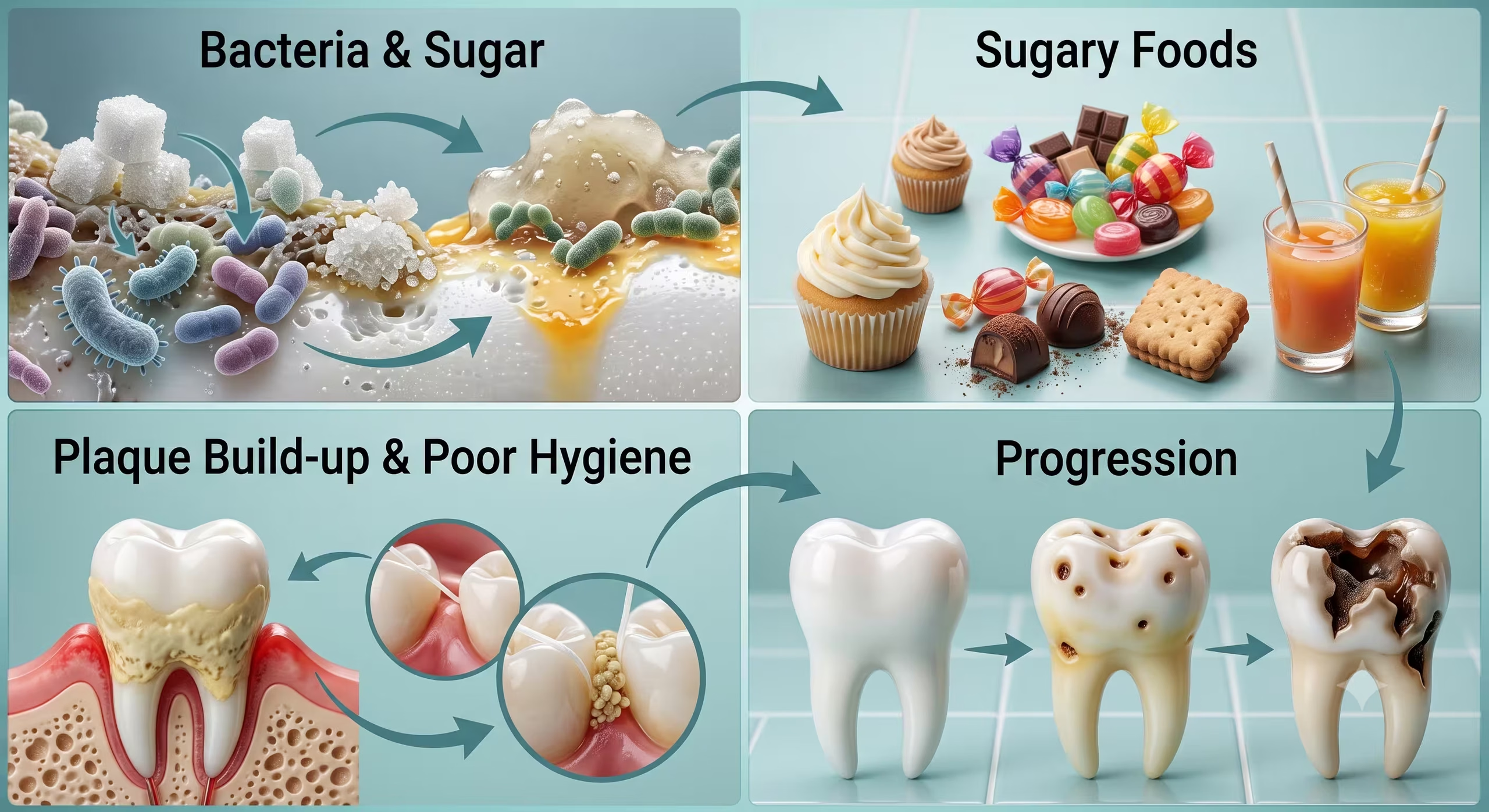
A dental cavity is a damaged part of your tooth that happens because of tooth decay. It starts when bacteria in your mouth feed on sugar and food particles. These bacteria produce acids that slowly damage the outer layer of your tooth.
At first the damage may be very small and you may not notice it. If the decay continues it can move deeper into the tooth. It can reach the dentin and later reach the pulp where the nerves and blood vessels are present.
This is why a cavity may not hurt at first. If you leave it untreated it can later cause pain and other dental problems.
What Causes Cavities in Teeth?
Cavities can happen for many reasons. Bacteria and sugar are two of the main causes. Poor oral hygiene can also increase the risk of tooth decay.
1. Poor Oral Hygiene
Not brushing your teeth properly can allow plaque to build up on your teeth. Plaque contains bacteria that produce acids. These acids can slowly damage the enamel and cause tooth decay.
2. Frequent Consumption of Sugary Foods
Eating sugary foods too often can increase the risk of cavities. Every time you eat sugar the bacteria in your mouth can produce acids that attack your teeth. Some common sweet foods and beverages that you consume frequently:
- Sweets
- Chocolates
- Biscuits
- Cakes
- Soft drinks
- Packaged juices
- Sugary tea or coffee
- Sticky snacks
Try to consume these foods in limited quantities and avoid eating them frequently throughout the day.
3. Poor Flossing or Interdental Cleaning
Some cavities form between two teeth and a toothbrush cannot reach every space between the teeth. Food and plaque can get trapped in these areas. This can increase the risk of cavities.
Flossing or using an interdental cleaner can help keep these areas clean.
4. Dry Mouth
Saliva naturally protects teeth by washing away food particles and helping to neutralize acid. When your mouth does not produce enough saliva your risk of tooth decay can increase. Dry mouth can happen because of certain medicines or health conditions.
5. Deep Grooves and Pits in Teeth
Your back teeth have small grooves and pits. Food and bacteria can easily get trapped in these areas. People with deeper grooves may have a higher risk of developing cavities in their back teeth.
6. Poor Diet and Frequent Snacking
Eating or drinking many times during the day can increase the risk of cavities. This is especially true when the food or drink contains sugar or is acidic. Frequent snacking gives bacteria more chances to produce acids. These acids can slowly damage your teeth.
What Are the Symptoms of a Cavity?
A cavity may not show any symptoms in the beginning. You may have a cavity and not feel any pain. This is why regular dental check-ups are important.
As the cavity gets worse you may notice some common symptoms such as:
- Sensitivity to hot or cold foods and drinks
- Sensitivity when eating sweets
- Pain while chewing
- Toothache
- Food getting stuck between your teeth
- White brown or black spots on the tooth
- A small hole in the tooth
- Bad breath
- Swelling around the tooth in severe cases
Do Not Wait Until You Feel Pain
Many people think that they only need to visit a dentist when their tooth starts hurting. This is not always true. A cavity can grow deeper without causing pain at first. Once the decay reaches deeper parts of the tooth it can cause pain and infection.
A dentist can find early signs of tooth decay during a dental check-up. In some cases an X-ray may also be needed to check areas that cannot be seen easily.
Stages of Tooth Decay
Tooth decay usually gets worse in stages. Knowing these stages can help you understand why early treatment is important.
Enamel Demineralization
A white or chalky spot on the tooth can be the first sign of tooth decay. This is the time when minerals begin to be lost from the enamel. It is possible that a cavity has not fully formed yet.
Thorough brushing and the use of fluoride can sometimes help prevent the damage that occurs at this stage. The dentist can also suggest the right treatment based on the condition of your teeth.
Enamel Cavity
If the enamel continues to break down a cavity can form. Once the enamel is damaged and a cavity forms, brushing alone generally cannot repair that damage. The dentist may need to remove the damaged part and place a dental filling.
Dentin Decay
The layer beneath the enamel is called dentin. When the decay reaches the dentin you may start feeling more sensitivity. You may feel discomfort when eating or drinking something hot, cold or sweet.
A dentist can usually treat the tooth by removing the decay and placing a filling. The treatment depends on how deep the decay has gone.
Pulp Involvement
The inner part of the tooth is called the pulp. It contains blood vessels and nerves. When decay reaches the pulp it can cause severe pain and long-lasting sensitivity. The tooth can also become infected.
In such cases a root canal treatment may be needed to save the tooth.
Dental Abscess
If severe tooth decay is left untreated an infection can develop. This infection can lead to a dental abscess.
These common symptoms may appear with a dental abscess:
- Severe toothache
- Facial or gum swelling
- Pus around the tooth
- Fever
- Difficulty chewing
- Difficulty opening the mouth in some cases
Cavity Treatment in Delhi
The appropriate treatment depends on how deep the decay is and whether the tooth’s pulp (the inner part) has been affected. The same treatment is not suitable for every patient.
Fluoride Treatment for Early Decay
If the tooth has only started to lose minerals and a proper cavity has not formed yet then fluoride treatment may help. Your dentist may also suggest better brushing and other changes in your daily oral care.
You may also need to reduce sugary foods and drinks. Frequent dental check-ups can help your dentist monitor the condition of your teeth.
Dental Filling
Dental filling is one of the most common treatments for cavities.
During the treatment the dentist removes the decayed part of the tooth. The area is then cleaned and filled with a suitable material.
Some common filling materials are:
- Composite resin
- Glass ionomer cement
- Amalgam in some cases
Tooth-Coloured Composite Fillings
Tooth-coloured composite fillings are a popular choice because they look similar to natural teeth.
They are often preferred for teeth that are visible when you smile.
However the best filling material depends on the size and location of the cavity. Your dentist will also consider your bite and the condition of the tooth before choosing the right material.
How Is a Cavity Filling Done?
Dentists follow certain steps to remove tooth decay and restore the tooth.
Examination
Dentists examine the teeth and determine the severity of the decay. X-rays may be recommended when a cavity is difficult to detect clinically or extends between the teeth.
Local Anaesthesia
Local anesthesia may be required to keep the patient comfortable during this procedure.
Removal of Decay
Dentists carefully remove the decayed part of the tooth. The aim is to remove the damaged area while preserving as much of the healthy tooth structure as possible.
Cleaning and Preparation
After removing the decayed part the dentist thoroughly cleans the area. This prepares the tooth for the filling.
Filling the Tooth
The dentist applies the chosen filling material to the prepared area. The material is shaped so that it fits the tooth properly.
Shaping and Polishing
The dentist shapes and polishes the filling. They also check your bite to ensure the tooth feels comfortable when you close your mouth.
Small cavities can often be treated in a short appointment. For larger cavities, the procedure may take longer, depending on the condition of the tooth.
When Does a Cavity Need a Root Canal?
A cavity may need a root canal when the decay reaches the pulp. The pulp is the soft inner part of the tooth. It contains nerves and blood vessels.
Small cavities can usually be treated with a simple filling. If the decay is not treated it can reach the pulp. This can cause pain and infection.
Some common symptoms that may indicate you need a root canal include:
- Severe or persistent tooth pain
- Prolonged sensitivity to hot or cold
- Pain that occurs spontaneously
- Pain while biting
- Swelling around the tooth
- An abscess or infection
- Evidence of significant pulp damage on examination
During root canal treatment the dentist removes the infected or damaged pulp from inside the tooth. The root canals are then cleaned and disinfected.
After cleaning the canal the dentist fills and seals the tooth to prevent further infection.
A dental crown may be recommended after a root canal. This is particularly the case when a large part of the tooth has decayed or been removed. A crown helps protect the tooth and restore its strength.
Can a Cavity Heal on Its Own?
It depends on the stage of tooth decay. In the early stages teeth may lose some minerals. Thorough brushing and the use of fluoride can sometimes prevent the decay from progressing further.
But once a real hole or cavity has formed the tooth cannot repair itself naturally. The decay can continue to grow deeper if it is not treated.
Do not wait for a toothache to start. Early treatment can help preserve more of your natural tooth.
Cavity Treatment Cost in Delhi
The cost of cavity treatment in Delhi can vary from patient to patient. It depends on the condition of the tooth and the type of treatment required.
Approximate Dental Filling Cost
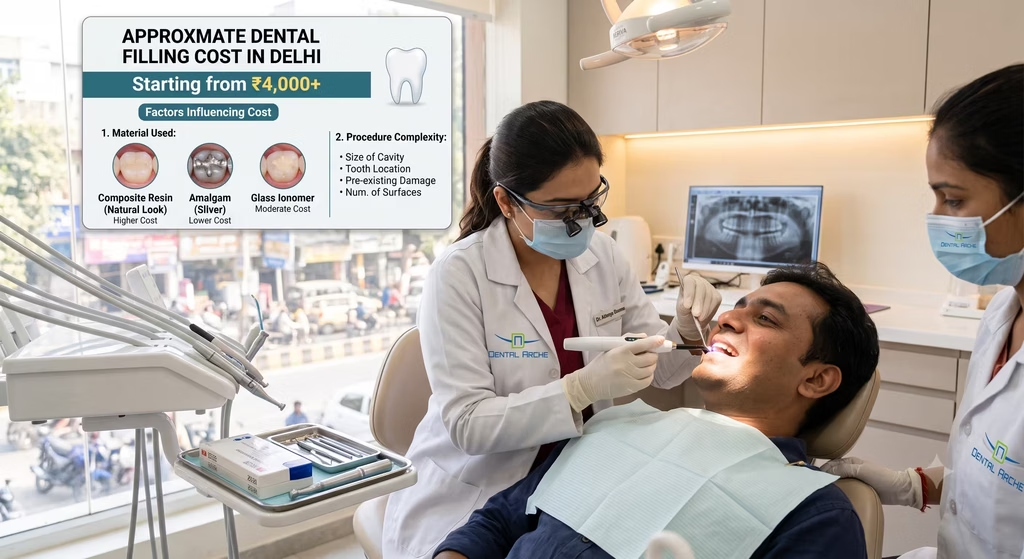
The cost of a dental filling in Delhi can be ₹4,000 or more. This cost depends on the material used for the filling and the complexity of the procedure.
If the tooth decay has spread to the pulp (the inner part of the tooth) you may need a root canal. The cost of these treatments will be higher than that of a standard filling.
The best way to know the exact cost is to visit a dentist for an examination. The dentist can examine your teeth and provide a treatment plan along with the estimated cost.
Important: Dental treatment prices can vary considerably between clinics and cases. The final cost should be confirmed after a clinical examination.
Is Cavity Treatment Painful?
Many people worry about the pain when they hear about cavity treatment but in most cases dental filling is a simple and comfortable procedure.
Before starting the treatment the dentist may administer local anesthesia to numb the area. You might feel some pressure or vibration during the procedure.
You may experience some sensitivity for a short time after the treatment. This usually resolves on its own.
If you are feeling anxious about dental treatment..
let your dentist know before the procedure begins. Your dentist can explain each step to you and help you feel more at ease.
How to Prevent Cavities
Preventing cavities is easier than treating serious dental problems. A few simple habits can help keep your teeth healthy and reduce the risk of cavities.
Brush Twice a Day
Brush your teeth twice a day with fluoride toothpaste. Use a soft toothbrush and brush for about two minutes. Make sure to clean all parts of your teeth. Do not forget to brush your back teeth as well.
Clean Between Your Teeth
Your toothbrush cannot clean every space between your teeth. Food and plaque can accumulate in these areas, increasing the risk of cavities.
Use dental floss or interdental cleaners to keep these areas clean.
Reduce Frequent Sugar Intake
Eating too many sugary foods can increase the risk of cavities. Try to reduce the frequency with which you consume sugary foods or drinks throughout the day.
Drink Water
Drinking water can clear food particles from the mouth. It also helps keep the mouth clean and maintain good oral health.
Do not Ignore Early Symptoms
Do not ignore tooth sensitivity or the recurring issue of food getting stuck around a specific tooth. You should also get your tooth examined if you notice a white, brown or black spot on it.
Seeking treatment early on can help prevent a cavity from getting worse.
Visit Your Dentist Regularly
Regular dental check-ups can help your dentist detect cavities at an early stage. Your dentist can also check for other dental issues and suggest the proper care for your teeth.
How often you should visit the dentist depends on your oral health and your risk of developing cavities.
Why Early Cavity Treatment Is Important
A small cavity is usually easier to treat. In many cases a simple filling can fix the problem.
But if you leave the cavity untreated it can slowly become worse. The decay can move deeper into the tooth.
As the decay progresses- treatment can become difficult and expensive. In severe cases, the tooth may become so damaged that it cannot be saved.
That is why it is important to get cavities checked early. Early treatment can help save your natural tooth and prevent major dental problems in the future.
When Should You See a Dentist?
You should visit a dentist if you notice any of these signs:
- Toothache
- Sensitivity to hot, cold or sweet foods
- A visible hole in your tooth
- Black, brown or white spots
- Pain while chewing
- Food repeatedly getting stuck around one tooth
- Swollen gums
- Facial swelling
- Pus around a tooth
Do not ignore these signs. They could indicate tooth decay or other dental problems.
If you have severe facial swelling or a fever you should see a dentist as soon as possible. You should also seek immediate medical attention if you experience difficulty swallowing or breathing.
Frequently Asked Questions About Cavity Treatment
Can cavities be prevented?
Absolutely- The risk of cavities can be significantly reduced by brushing with fluoride toothpaste, keeping the spaces between teeth clean, avoiding frequent consumption of sugary foods and getting regular dental check-ups.
How long can I leave a cavity untreated?
There is no fixed timeframe for this because cavities can progress at different rates. However- delaying treatment allows the decay to deepen and potentially reach the pulp (the inner part of the tooth).
Can a cavity be treated without a root canal?
Yes- If the decay has not damaged the pulp it may be possible to repair the tooth with a filling or another appropriate method.
Is tooth filling better than root canal treatment?
Options are not always available in every case. A filling is used to treat a cavity when the tooth can be saved without removing the pulp. A root canal may be necessary when the pulp develops inflammation or an infection that cannot be cured.
Can brushing remove an existing cavity?
Brushing cannot eliminate cavities although it can help prevent and control plaque. Once the tooth structure is damaged, professional treatment may be required.
Can children get cavities?
Yes- Children can develop cavities in both baby teeth and permanent teeth. Early dental care is important because untreated decay in baby teeth can cause pain and infection and may affect a child’s eating and overall wellbeing.
Final Thoughts
Cavities are common but you should not ignore them. A simple filling can often be used to treat a small cavity. If the cavity becomes more extensive you might need a root canal. The tooth could have to be extracted in extreme circumstances.
Do not wait for the toothache or sensitivity to worsen. If you notice a hole or a black spot on your tooth, you should see a dentist. A dental examination can determine the severity of a cavity. After that your dentist can suggest the most suitable treatment for your tooth.
If you are looking for cavity treatment in Delhi.
Choose a competent dentist who can assess the condition of your teeth and recommend treatment tailored to your specific needs rather than treating every cavity in the same way.
Medical Disclaimer
This article is intended for general dental education and does not replace an in-person examination, diagnosis or treatment plan from a qualified dental professional. Dental treatment and costs vary depending on the individual case.